


Kapcsolódó bejegyzés
Mágneses elválasztó nukleinsav tisztításhoz: Hogyan segíti az okosabb skálázás a takarítási munkafolyamatok jobb működését
2026-03-26
Többfényforrású elektroforézis gélképalkotás: festék kiválasztása és reprodukálhatósági megoldás
2026-01-16
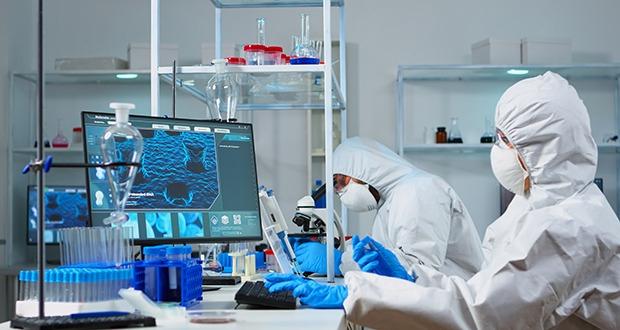
Kerülje el a minta szennyeződését a vákuumkoncentrátor elvével
2025-10-28
Nagy kapacitású mágneses gyöngyelválasztó: a hozamveszteség problémájának megoldása a többliteres adaggyártásban
2026-04-24A nagy kapacitású mágneses gyöngyelválasztónak több litert kell kezelnie adagonként anélkül, hogy feláldozná a gyöngy visszanyerését — mégis sok rendszer arra kényszeríti a gyártócsapatokat, hogy az anyagveszteséget elfogadják a skálázás árának.
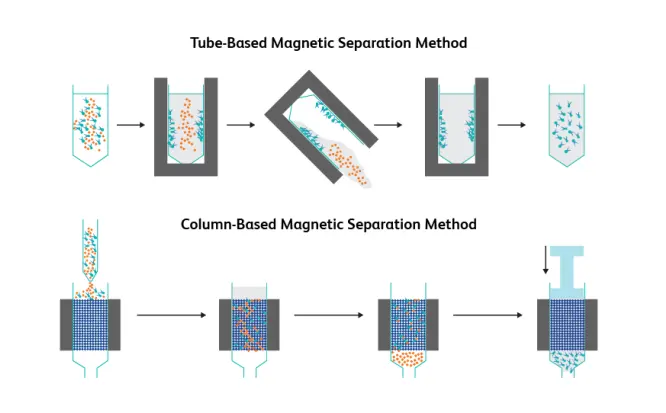
Mágneses elválasztás | Mágneses válogatás
Ez a cikk azt vizsgálja, hogy miért bukik el a skálázó mágneses szétválasztás hagyományos rendszerekben, milyen egységes mezőtechnológia változtat meg, és hogyan segít a Longlight Technology a gyártócsapatoknak a többliteres tételek minimális gyöngyveszteséggel történő feldolgozásában.
A valódi költség vagyf A mágneses gyöngyelválasztás felskálázása
Amikor egy termelési részleg a munka szintű protokollokról több literre tér át adagonként, a hatékonysághiányok gyorsan megsokszorozódnak. Ami működik egy 15 mL-es csőben, gyakran teljesen elromlik 10 liternél.
A müncheni Műszaki Egyetem kutatói — Julian Galbusera, Ines Zimmermann és Paula Fraga-García — egy alapvető akadályt dokumentáltak: "a nagyméretű mágneses elválasztók hiánya szűk keresztmetszetet jelent a folyamatok további termelési méretben történő megvalósításában". Kutatásuk a lefelé irányuló feldolgozás intenzitálásáról azt mutatja, hogy a szabványos mágneses elválasztó berendezések egyszerűen nem fordítanak hatékonyan a termelési mennyiségre.
A globális piac ezt a nyomást tükrözi. Az iparági előrejelzések szerint a bioszétválasztási rendszerek piaca folyamatosan növekszik, a mágneses elválasztó rendszerek egyre jelentősebb szegmensként jelennek meg. De a skálázható technológia nélküli növekedés frusztrációt okoz, nem a termelékenységet.
Miért hibásodnak a hagyományos elválasztók egyt Nagy kapacitás
A hagyományos mágneses elválasztók olyan mágneses erőt generálnak, amely a mágnes oldalához képest nagyon magas, és a távolság során gyorsan csökken. Kis hangerőnél ez a különbség elhanyagolható. Több liter adag után a tartalmú területtől a túloldalig terjedő távolság nő — és a problémák is.
Amikor a gyártócsapatok nem homogén rendszert próbálnak használni nagy volumenű műveletekhez, elkerülhetetlen kompromisszummal szembesülnek:
• A hosszabb elválasztási idők csökkentik az áteresztőt: Minél nagyobb a rendszerben használt mágnes, annál hosszabb a szétválasztási idő ahhoz, hogy ugyanaz a gyöngyhozam elérje, mint kisebb gyártási méretekben.
• Nagy erők visszafordíthatatlan aggregációt okoznak: A hosszabb távolsági szakaszok során a nagyon nagy mágneses erők tartós kitettsége jelentősen növeli a visszafordíthatatlanul aggregált gyöngycsomók kialakulását, ami csökkenti a hozamot és időigényes újraszuszpendálási módszerek alkalmazását eredményezi.
• A biztonsági kockázatok a méretek növekedésével: A nagy mágneses rendszerek jelentős elszokatlan mezőket generálnak, ami nagy óvatosságot és veszélyzónákat igényel az eszköz körül. Ez értékes tisztatéri padlóterületet foglal el, és potenciális biztonsági kockázatokat jelent az üzemeltetők számára.
Egységes mágneses mezők: mérnöki megoldás a nagy kapacitású kihívásra
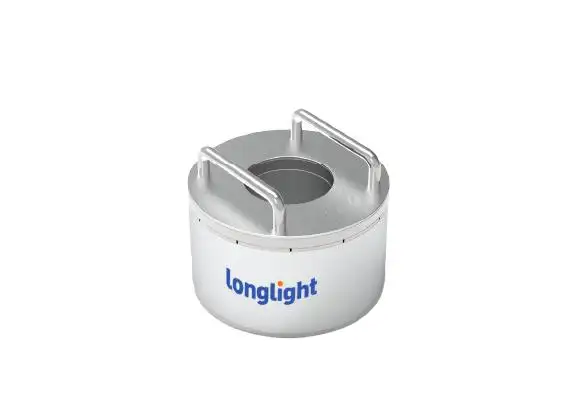
A Longlight MSG sorozat — biomágneses elválasztókként MSG-250 és MSG-1000 — segít megoldani ezeket a problémákat egy jobb mágneses tér kialakítással.
Az MSG sorozat nem csak növelné a szabványos mágneses állványok méretét, hanem egyenletes és következetes mágneses teret hoz létre az egész munkatérben. Minden gyöngy a rendszerben ugyanazt az erőt érzi, függetlenül attól, hogy hol van az edényben.
Ez a mágneses tér egyenletes erőeloszlása valós és mérhető előnyöket hoz:
• Megakadályozza a gyöngyök nagyarányú aggregációját: Nem homogén rendszerekben nagy volumenben gyakori, hogy az egyik gyöngy a másikon aggregál az egyenetlen expozíció miatt. Az MSG rendszerekben minden gyöngy ugyanazt az erőt éri, így nagy volumennél megszüntetve a klaszterezést.
• Megszünteti az idő-erő közötti kompromisszumot: Az állandó mágneses erő azonnali elválasztási formát képes létrehozni, amely egyébként ugyanazon csoportosodási szinten túlzott erőt igényelne, ami visszafordíthatatlan csoportosodást eredményezne nagyobb hajókban.
• Valóban támogatja a milliliterről több tíz literre való skálázást: Az R&D skálában validált folyamatparaméterek érvényesek maradnak a gyártási sorozatokra, így nem szükségessé válik a hosszú újrafeldolgozás és újraellenőrzés.
Biztonság tervezés szerint — nem korlátozással
Egy jól megtervezett nagy kapacitású mágneses gyöngyelválasztó egyik figyelmen kívül hagyott előnye a kezelő biztonsága.
A hagyományos nagy mágnesek nagy, elszálló mezőket hoznak létre. A veszélyzóna gyorsabban bővül, mint a munkamennyiség nő, drága tiszta teret foglalva el, és korlátozva a közeli berendezések elhelyezését. A pacemakerrel, ferromágneses eszközökkel és mágneses tároló eszközökkel rendelkező eszközöket távol kell tartani.
Az MSG sorozat speciális védelmi kialakítást alkalmaz, amely a munkaterületen belül tárolja a mágneses energiát. Az eredmény következik:
• Minimális elszokatlan mezők, függetlenül a rendszer méretétől
• Kis biztonsági zónák, amelyek lehetővé teszik több gyártóberendezést ugyanabban a padlótérben
• Biztonságosabb működés a beállítás, tisztítás és cserék során
Valós idejű láthatóság fvagy Batch Consistency
A hagyományos szeparátorok nagy kapacitású másik gyengesége a folyamatok láthatóságának hiánya. Az üzemeltetők várják az időzítőket, és remélik, hogy a szétválasztás befejeződik — amíg a QA el nem utasítja a sorozatot.
A Longlight fejlett rendszereket biztosít, amelyek valós idejű követést biztosítanak a szétválasztás előrehaladásának követésére, és a következőket szolgáltatják:
• Képes proaktív lépéseket tenni, mielőtt a problémák befolyásolnák a hozamot
• Következetesség és reprodukálhatóság egyik tételtől a másikig
• Adatgyűjtés minőségbiztosítás és megfelelőség érdekében
• A gyöngyméret és koncentráció változásainak korai felismerése, valamint a pufferállapot elsodródása
A nagy kapacitású munkafolyamatod érdekében
Egy jól megtervezett, nagy kapacitású mágneses gyöngyelválasztó integrációja a csapatod számára a következőket változtatja meg:
• Gyöngyelesés csökkentése: A gyöngyök teljes mértékben szabályozottak és minimalizálják a veszteséget
• Magas reprodukálhatóság: Elkerüljük a gyöngyveszteséget, és elérjük a reprodukálhatóságot
• A sorozatok rövidebb idő alatt készülnek el: A centrifugációs lépések szükségessége megszűnt
• Biztonságosabb működés: A rendkívül védelmező kialakítást gondosan kidolgozták, hogy minimalizálják a kockázatot, miközben a rendelkezésre álló tiszta teret használták
• Az első naptól kezdve, skálázható technológia: A nagy volumenű biomágneses szétválasztás iránti igény növekszik, és nem fog lassulni. Ahogy a termelési volumen folyamatosan nő és a minőségi elvárások szigorúdnak, a szeparátor kiválasztása határozza meg, hogy a méretnövelés szűk keresztmetszetet jelent-e — vagy versenyelőnyt.
A Longlight Technology az MSG sorozatot egy gyakorlati kérdésre válaszolva fejlesztette ki: hogyan lehet több litert feldolgozni adagonként, miközben csökkentjük a gyöngyveszteséget. Az egységes mágneses mezők, az intelligens megfigyelés és a kifejezetten kifejlesztett biztonsági funkciók adják a választ.
Látogatás www.longlight.com hogy többet megtudj arról, hogyan egyszerűsítheti az MSG sorozat a biomágneses szétválasztási munkafolyamatodat — a milliliteres fejlesztéstől a több tízliteres termelésig, anélkül, hogy hozamot kellene feláldozni.
Gyakran Ismételt Kérdések (GYIK)
K: Mekkora a nagy kapacitású mágneses gyöngyelválasztó kötettérfogat kapacitása?
V: Támogatja a 250 mL-től több literig terjedő adagadagot. Egyedi beállítások több tíz literes térfogatot támogathatnak. Ezeket MSG-250-nek és MSG-1000-nek nevezik.
K: A nagy kapacitású adagméret-elválasztók megakadályozhatják a gyöngyösítést?
V: Igen. Az egyenletes mágneses mezők segíthetnek megakadályozni a gyöngyös aggregációt. Nem egyenletes mágneses méretű mezőkben a nádaggregáció előfordulhat a mágneses mezők és erők egyenetlen kitettsége miatt.
K: Segíthetnek a valós idejű operációs rendszerek (ROS) az újrahasznosítás javításában?
V: Igen. A nem valós idejű operációs rendszerekhez képest a valós idejű ROS azonnali értesítést ad a hiányos szétválasztásról, és segít megváltoztatni az üzemeltetési eljárást az erőforrások megőrzése érdekében, szemben az újrahasznosítási erőfeszítésekkel, amelyek pazarlásak.
K: Megfelel-e az MSG sorozat a GMP gyártási követelményeinek?
V: Igen. Az MSG rendszerek lehetővé teszik a biogyártási rendszerek validálását (biogyártás 4.0) és a kötetről adagra reprodukálhatóságot biztosítva.
K: Ha egy protokollt 50 mL-ről felskászálanak, akkor az 5L méret is érvényes lesz?
V: Igen, az egységes mezőtervezés eredményeként a protokoll méretezési erőfeszítései gyakorlatilag megszűnnek minden gyártórendszer-szinten.
