


Kapcsolódó bejegyzés

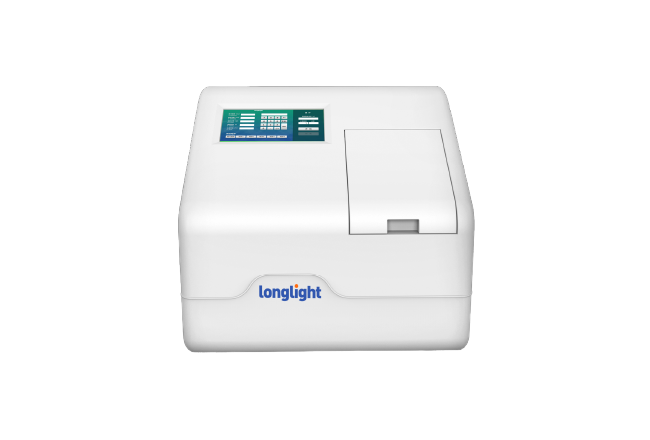
Plazmid tisztító mágneses rack 5μL PCR-től 50mL maxi-prep-ig
2026-04-23A kutatók régóta külön mágneses rackeket használnak PCR tisztításhoz, miniprepekhez és maxi-prepekhez – mindegyiknek eltérő mezőerőssége és aggregációs viselkedése van. Ez a fragmentáció növeli az önéletrajzokat, csökkenti a visszanyerést, és veszélyezteti az értékes mintákat.
A plazmid tisztítási piac 10,66%-os éves növekedéssel és 2034-re 5,13 milliárd dolláros értékelési előrejelzéssel rendelkezik. Következetes, magas tisztaságú, meghatározott méretű DNS-re van szükségük. Ez egy hatástalan és költséges folyamat azoknak a laboroknak, amelyeknél nincs megoldás mikrotérfogatú és 50 mL tisztításra.
Hosszú fény technológia's MSG mágneses rack sorozat bezárja ezt a rést: egy rackcsalád 5 μL-től 50 mL-ig terjed, egyenletes mezővel, alacsony aggregációval és kiszámítható eredményekkel az egész munkafolyamatban.
A mágneses rackek középső váltásának rejtett költsége-Munkafolyamat
A mágneses gyöngyalapú elválasztás széles körben elismert hatékonyságáról. Ahogy a Labroots webináriuma, a "A paramágneses gyöngyök ellenállhatatlan vonzása" kiemeli, a helyreállítás, következetesség és sebesség maximalizálása kézi vagy automatizált protokollokkal érhető el az SPRI technológiával, amely paramágneses gyöngyöket használ a nukleinsavak szelektív kötésére típus és méret szerint. Azonban ezek az előnyök csak akkor valósulnak meg teljesen, ha maga a mágneses tér stabil és kiszámítható.
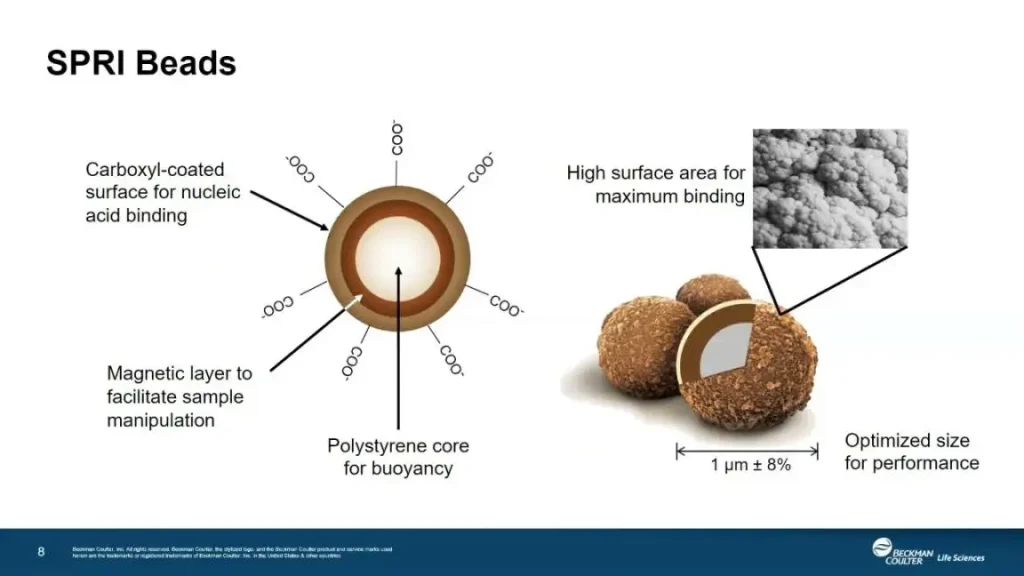
A PARAMÁGNESES GYÖNGYÖK ELLENÁLLHATATLAN VONZÁSA
Három fő kihívást jelent a különböző mágneses rackokra váltás:
• A szétválasztás következetlen időzítése: A gyöngyök gyorsabban szaladnak a falhoz az egyik állványon, a másikon lassabban, ami idővonalbeli zavarokat okoz.
• Gyöngyök következetlen csomósodása: A gyöngyök visszafordíthatatlan összehúzódása nukleinsavakat csapdába ejt, és csökkenti a visszanyerhetőséget.
• Széles skála a variációs együtthatók: A kiszámíthatatlan eredmények több kör alternatív futamot eredményeznek, anyag- és időpazarlást.
2023-ban a Scientific Reports közzétett egy cikket Dr. Zhiyuan He és mások részéről, amely részletezte, hogyan vezettek a mágneses térgeometria változásai a gyöngy viselkedésének változásához irányított szerkezetekkel és elválasztási sebességekkel. Nem túlzás azt mondani, hogy az egyetlen módja a következetes eredmények elérésének egy plazmid tisztító mágneses rack alkalmazása, amely bármely csőméretben ugyanolyan mágneses állandóságot kínál.
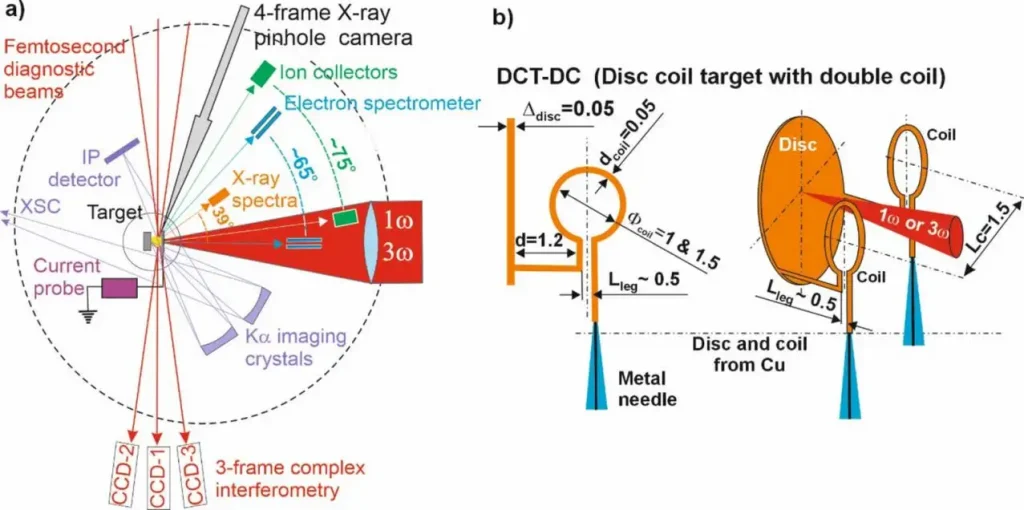
A keresztirányú mágneses tér hatása a forró elektronokra és
Lézeres kölcsönhatások által generált ionfluxusok a lemez-dupla tekercsű célpontokkal: | Tudományos jelentések
MSG sorozat: A mágneses mezők konzisztenciája, a cső méretétől függetlenül
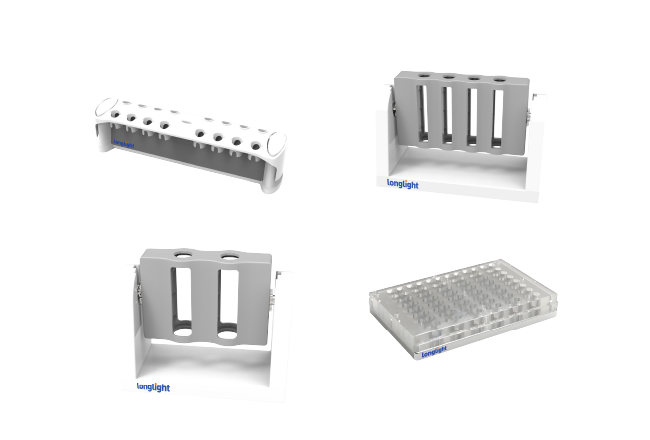
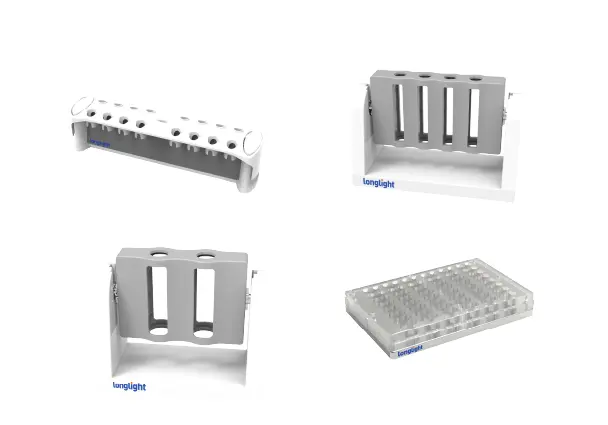
Az MSG sorozat elsődleges tervezési célja, hogy minden csőtípusban egységes és stabil mágneses tér érjen el. A korszerű, állandó mágneses technológiát alkalmazza. A sorozat négy specifikációt tartalmaz, amelyek mindegyike ugyanazon mágneses viselkedésre van tervezve:
• MSG-96: Mikrotérfogat (5 μL–200 μL), kompatibilis 0,2 mL-es PCR csövekkel, csíkokkal és 96 helyes lemezekkel.
• MSG-2: Kis térfogatú (10 μL–2 mL), szabványos 1,5/2,0 mL-es mikrocentrifuga csövekhez.
• MSG-15: Közepes térfogatú (1 mL–15 mL), 5 mL és 15 mL kúpos csövekhez.
•MSG-50: Nagy térfogat (5 mL–50 mL), 50 mL kúpos csövekhez és sejttenyésztési lemezekhez.
Ez a tervezési konzisztencia megszünteti a mágneses elválasztási protokollok újraoptimalizálásának szükségességét a skálázás során fel- vagy lefelé történő skálázáskor. Egy egyenletes mező, amely csökkenti a gyöngyaggregációt egy 50 μL PCR tisztítás során, hasonló eredményeket jósol, egy 50 mL-es maxi-prep esetén is.
A reprodukálhatóságot befolyásoló tervezési elemek a következők:
• A mágneses gyöngyök csökkent aggregációja: A mágneses egyenletesség egyenletes mozgáshoz vezet a cső falához egy reprezentatív sávban, nem pedig egy csomós aggregációhoz, ami negatívan befolyásolja a gyöngyök elucióját.
• Javított helyreállítás és következetes alacsony CV-k: Kevesebb aggregáció szigorítja az CV-ket, ami azt jelenti, hogy a CV-knél kevesebb artefakt-veszteség történik, mind egyetlen futáson, mind több későbbi futásnál.
• Megfigyelhető aggregációs zónák: Az operátorok rendkívül jól ismerik az aggregációt, amely megtörténik.
Ergonómiai kialakítás: Az intuitív kézérzet és pozicionálás csökkenti a kezelő fáradtságát hosszú feldolgozási időszakok során.
Találkozó tPiac's Méretezési és automatizálási igénye
A skálázható mágneses szétválasztás iránti igény nem akadémikus. A globális nukleinsav-izolációs és tisztítási piac, amelynek értéke 2025-ben 7,10 milliárd dollár volt, 2030-ig 9,1%-os éves növekedést várhatóan várhatóan. Ebben a piacon az automatizált platformok és a skálázható munkafolyamatok már nem opcionálisak – elvárják. Ahogy az iparági elemzés is megjegyezte, széles körben elterjedt az automatizált tisztító platformok és klinikai szintű munkafolyamatok a manuális módszerek helyét veszik fel, amit a génterápiás és vakcina fejlesztők növekvő igénye hajt, amelyek szabályozott klinikai használathoz következetes, skálázható tisztítást igényelnek.
A keresztirányú mágneses tér hatása a forró elektron- és ionfluxusokra
lézeres kölcsönhatások során korong-dupla tekercsű célpontokkal | Tudományos jelentések
Az MSG sorozat ezt az automatizálási trendet szem előtt tartva építették. A mágneses gyöngyalapú munkafolyamatok eleve automatizálásbarátok. Ugyanaz a paramágneses gyöngykémia, amely kézzel működik MSG állványokkal, átvihető automatizált folyadékkezelő rendszerekre anélkül, hogy átdolgoznánk a szétválasztási elvet. Az egységes működés és a minimális aggregációs funkciók közvetlenül alkalmazhatók az automatizált környezetekre, ahol következetes gyöngyfogás biztosítja a megbízható folyadékkezelést és az alkostabil elemzést.
Számos alkalmazás kutatásban és klinikai eljárásokban
Az MSG mágneses állványsorozat zökkenőmentesen integrálja a mágneses szétválasztást különböző térfogatokon több alkalmazásra:
• Nukleinsavak szétválasztása és tisztítása: DNS/RNS kivonása, könyvtárak és PCR tisztítása, valamint nukleinsav kivonása. Alacsony bemenetű organizmusokkal, például sejtmentes DNS-vel (cfDNA) dolgozik, a gyöngyös akvakultúra technikák jelentősen jobb visszanyerést és nagyobb pontosságot érnek el, mint az oszlopos módszerek, ami elengedhetetlen, ha az indító anyag több 100 másodpercnyi mikroliter plazmából származik.
• Könyvtárak előkészítése a következő generációs szekvenáláshoz (NGS): A mágneses gyöngyökkel történő kivonás elengedhetetlen a könyvtárak és szekvenálási adatok minőségéhez a nukleinsav tisztaságának és a PCR gátlók eltávolításának biztosítása érdekében.
• Fehérjék szétválasztása, mint a fehérjék és antitestek tisztításának módszere.
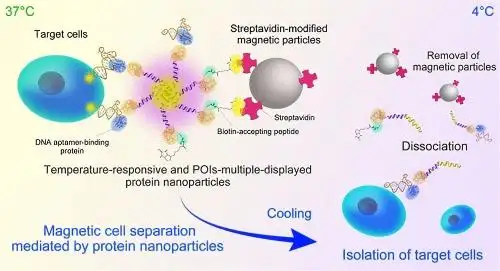
• Sejtszűrés: Mágneses címkézett sejtek gazdagítása és eltávolítása CD34 őssejtekkel vagy T-sejtekkel.
Az MSG-50 különösen kielégíti azokat a laborokat, amelyek 50 mL baktériumkultúrákból végzett plazmid maxi-prep-eket végeznek. Ez gyakori szakasz a transzfekciós szintű plazmidszintézisnek a génterápiában és a fehérjeexpresszióban. Az MSG-96 alkalmas nagy áteresztőképességű PCR tisztításra és NGS könyvtár előkészítésére 96 kútos formátumokban, ami azt jelzi, hogy ugyanaz a berendezés felel meg a felfedezési fázisú szűrési és gyártási tisztítási igényeknek.
Miért a Longlight technológia?
A Longlight Technology a mágneses elválasztó eszközök fejlesztésére összpontosít minden laboratóriumi méretarányhoz. Az MSG mágneses rack sorozatot olyan termékrendszerként tervezték, ahol minden termék ugyanazt a tervezési filozófiát képviseli: egységes mágneses tér alacsony aggregációval, amely minden eredményében kielégíti a reprodukálhatóságot. Az összeegyeztethetetlen állcosok közötti váltás szükségességének megszüntetésével az MSG sorozat csökkenti a laboratóriumi berendezések költségeit, egyszerűsíti a protokoll átvitelét a mérlegek között, és ami a legfontosabb, megvédi a mintaintegritást az első mikrolitertől az utolsó milliliterig.
Végső szó a kompatibilitásról egyés jövőbeli felkészültség
Az MSG sorozat kompatibilis PCR csövekkel, csíkokkal, lemezekkel, mikrocentrifuga csövekkel, kúpos csövekkel és sejttenyésztési lemezekkel. Egységes mágneses tere hosszú távú megoldást kínál olyan laboratóriumok számára, amelyek a kis léptékű előkészítőktől a GMP gyártásig vagy manuális és automatizált rendszerekig terjednek. A kutatók, akik belefáradtak a protokollok újraoptimalizálásába csőméretváltáskor, egyértelmű választ kapnak: egy plazmid tisztító mágneses rack kialakítás, egy kiszámítható kimenetel, 5 μL-ről 50 mL-re. Látogass el www.longlight.com részletekért, árajánlatokért vagy specifikációkért.
GYIK
K1: Milyen csövek méretei használhatók az MSG mágneses rackon?
V: Az MSG sorozatú termékek különböző méreteket (5 μL-től 50 mL-ig) befogadhatnak, beleértve a PCR csöveket (MSG-96), 1,5/2,0 mL-es csöveket (MSG-2), 5/15 mL kúpos csöveket (MSG-15) és 50 mL kúpos csöveket, valamint sejttenyésztési lemezeket (MSG-50).
K2: Használható-e ugyanaz a rack mind manuális, mind automatizált munkafolyamathoz?
V: Biztosan. Az MSG sorozatban alacsony gyöngyösítés és a mágneses tér egyenletessége ugyanaz a gyöngyök kémiai összetétele különböző folyadékkezelők számára használható anélkül, hogy jelentős változtatásokat kellene végezni a rendszerben.
K3: Az MSG rack gyöngy aggregációja?
V: Igen. Magas teljesítményű. Számos állandó mágnes egyenletes, stabil mezőt biztosít, csökkenti a gyöngyös aggregációt, javítva a visszanyerést és a CV-k szorosabbá tételét.
K4: Az MSG sorozat kompatibilis harmadik féltől származó mágneses gyöngyökkel?
V: Igen. Az MSG állványok kompatibilisek bármilyen paramágneses gyöngykészlettel, amelyeket nukleinsavak, fehérjék vagy sejtleválasztás céljából használnak.
