


Kapcsolódó bejegyzés

Alacsony ionerősségű áttörés: szupergyors futó puffer az RNS számára
2026-04-14A gélelektroforézis továbbra is az egyik leggyakrabban ismételt eljárás a molekuláris biológiai laboratóriumokban. Ennek ellenére, a hagyományos pufferrendszerek alapvető korlátai évtizedek óta fennállnak: a magas ionszilárdság hőt termel, és a hő lezárja a biztonságosan alkalmazható feszültséget.
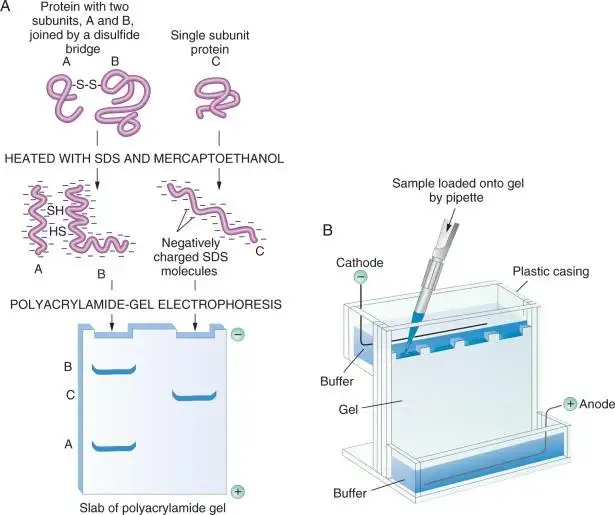
Gélelektroforézis – áttekintés | ScienceDirect témák
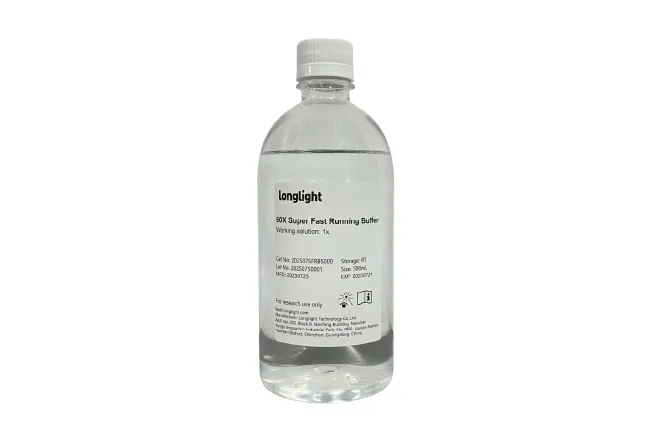
A Super Fast Running Buffer for RNS más szemszögből közelíti meg ezt a problémát. Az ionerősség csökkentése ahelyett, hogy kompenzálná annak következményeit, lehetővé teszi a nagyobb mezőerősséget, rövidebb futási időt és tisztább távolságtartást — a sebességgel járó kompromisszumok nélkül.
A szűk keresztmetszet tudománya
Az elektroforézis alapszabálya szerint a hő az áram négyzetével szorozza az ellenállást. Ha az ionerősség magas, az áram arányosan emelkedik. Magas feszültségeknél ez az áram közvetlenül hővé alakul — gél morfológiát deformál, a szalagokat jellegzetes "mosolyokká" torzítva, és romló felbontást.
A hagyományos TAE és TBE puffereket ionikus erősséggel alakították ki, amelyek stabilak maradnak a DNS-nek, de a gyakorlati mezőerősséget nagyjából 10 V/cm-re korlátozzák. Ha magasabbra mensz, a gél túlmelegszik. A zenekarok elkennek. A reprodukálhatóság szenved. Évtizedek óta a kutatók ezt a kompromisszumot elkerülhetetlennek tartják: sebességet vagy minőséget, de ritkán mindkettőt.
Ez a korlátozás egyre költségesebb lesz, ahogy a kísérleti skálák bővülnek. Egy laboratórium, amely naponta több tucat PCR reakciót dolgoz fel, nem engedheti meg magának, hogy fél órát várjon egy gélért. Egy olyan maglétesítmény, amely heti száz mintát validál, reprodukálhatóságot igényel anélkül, hogy feláldozná a áteresztőképességet. És időérzékeny munkafolyamatokban — például a szekvenálási könyvtárak minőségellenőrzése, a CRISPR szerkesztési eredmények gyors szűrése vagy a klónozási köztes anyagok ellenőrzése — minden perc, amit az elektroforézisra szánnak, egy perc, amit nem töltünk tényleges felfedezésre.
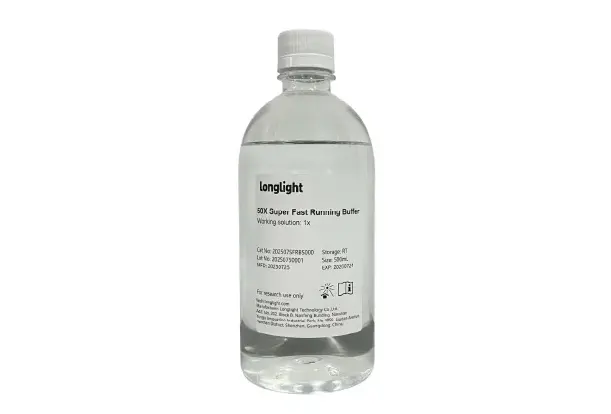
Alacsonyabb ionerősség, okosabb hőgazdálkodás
Az RNS szupergyors futó puffer újraértelmezi az egyenletet. Alacsonyabb ionerősséggel történő formulációval a puffer bármely adott feszültségen csökkenti az áramot. Kevesebb áram kevesebb hőt jelent. Kevesebb hő lehetővé teszi, hogy a feszültség biztonságosan emelhető — 25–30 V/cm-re, ami körülbelül 2,5-3-szor magasabb, mint a hagyományos rendszerek — anélkül, hogy veszélyeztetné a sáv integritását.
Az eredmény következetes és mérhető is:
•A játékidő 30 percről 5–10 percre szűkül, közvetlenül gyorsítva a laboratóriumi átbocsátást
•DNS-visszanyerési arány továbbra is magas, nem akadályozzák a gél kivonását vagy ligációs lépéseket
• Erős pufferelő kapacitás támogatja a többszöri újrahasználatot, csökkentve mind a hulladékot, mind az egy futáson átmeneti költséget
• Mind az 50X koncentrát, mind a hígított 1X munkaoldat legalább 12 hónapig stabilan marad szobahőmérsékleten
Ez nem a sebesség és a minőség közötti kompromisszum. Ez az alapvető fizikai paraméterek újraegyensúlyozása, amelyek évtizedek óta korlátozzák az elektroforézist.
Kutatási kontextus: Mit árulnak fel az ionikus körülmények
A pufferionerősség hatása túlmutat a futási időn, és a nukleinsavak elválasztási időszaki alapvető viselkedésére is. A Nuclein Acids Research folyóiratban megjelent kutatás kimutatta, hogy a DNS-hajlítás mértékét a fehérje-DNS komplexumokban jelentősen befolyásolják a gélelektroforézis során alkalmazott ionikus körülmények. Nagyon alacsony ionerősségű pufferekben a DNS-hajlás mértékét körülbelül 25-30 fokra becsülték — ami jelentősen eltér a magasabb ionszilárdságú körülmények között megfigyelt 60-65 foktól.
Ez a kutatás azt mutatja, hogy az ionerősség nem csupán egy technikai paraméter, amely befolyásolja a sebességet. Aktívan alakítja a nukleinsavak konformációs viselkedését elektroforézis során. Egy ionerősségű, optimalizált pufferrendszer más rendszerekhez képest dinamikus pufferzónában tartja a nukleinsavakat az elektroforézis elindulásától a képalkotás befejezéséig. Ez a rendszer növeli a felbontást és minimalizálja a sávos nukleinsavak változékonyságát, miközben megőrzi az elektroforetikus sávozási pozíciót.
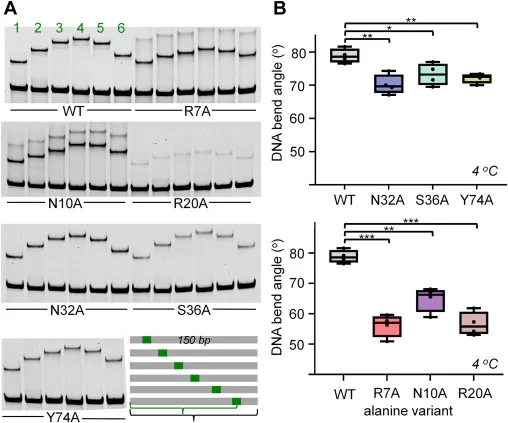
A nukleobász-specifikus kölcsönhatások szerepe a kötésben és hajlításban
DNS emberi férfi nemmeghatározó tényező alapján SRY - ScienceDirect
A genomika gyors tempójú innovációja
A genomika folyamatosan változik. Ezzel együtt a piac is változik. Mostantól (2023) és 2031-ig a nukleinsav elektroforézis piaca várhatóan 29 milliárd dollárról (2025) 53 milliárd dollárra (2031) fog nőni. 2025 és 2031 között a CAGR várhatóan 10,7% lesz. Ez a növekedés a laboratóriumi működés változásait jelzi, az áteresztőképesség, a fordulat és az integráció mind növeked.
Az RNS rendszer pufferje támogatja a következőket:
• Az RNS integritásának gyors tesztelése, majd könyvtár előkészítése, hogy csökkentsék az időveszteséget az RNS integritásának megőrzésével.
• Gyors tesztelés a PCR termékek integritásáról és fragmentációs hatékonyságáról, hogy biztosítsa a megfelelő működésű szekvenálási csővezetéket.
• Gyors tesztelés a CRISPR módosítások eredményeihez, hogy továbbhaladhassunk a következő fázisba.
• Magas szint a drogtesztelés és több gyógyszer validálása révén, anélkül, hogy az analitikai integritás elvesztése lenne.
•Az amplikonok minőségének kifejeződésének tesztelése, minimális zavarral.
Ezekben az esetekben a puffert megfelelően tesztelték, és kiderül, hogy gyorsan működik alapvonal szerint, bonyolultság nélkül, és gyors funkciók nélkül.
Ez az integráció kulcsfontosságú a munkafolyamatod szempontjából
A jó laboratóriumi innovációknak harmonikusan kell beépülniük a meglévő folyamatokba, és számszerűen fejleszteniük kell a laboratórium számára. Az RNS-hez szükséges gyors futó puffer nem igényel további felszerelést, személyzeti képzést, vagy a meglévő folyamatok teljes átalakítását/átrendezését.
Az 1X munkaoldat elkészítéséhez az 50X koncentrátot 1:50-es arányban hígítani kell desztillált vízzel. Ugyanazt az oldatot használd gélöntéshez és elektroforázishoz is, biztosítva a folyamatos puffererőséget a futás során. Futás 25–30 V/cm-en. Az eredményeket 5–10 perc alatt figyeljük meg fél óra helyett.
A forgalmas laboratóriumok számára — legyen az akadémiai kutatócsoportok, alapintézmények vagy diagnosztikai laboratóriumok — az összesített időmegtakarítás jelentős. Egy gélenkénti 20 perces csökkentés évente több száz futás során napokig tartó padon töltött időt jelent. Még fontosabb, hogy az elektroforézist a sebességkorlátozó szűk keresztmetszetből gyors ellenőrzőponttá alakítja, amely inkább tájékoztatja, mint késlelteti a későbbi döntéseket.
Következtetés
Az alacsony ionerősség nem jelent kompromisszumot. Ez egy megalapozott tervezési döntés, amely a legalapvetőbb fizikai korlátokat is figyelembe veszi, mint a hagyományos elektroforézis pufferek. A Super Fast Running Buffer for RNS ezt a koncepciót azért valósította meg, hogy gyorsabb szétválasztást, tisztább sávokat és könnyebb nemi szó szerinti harmóniát biztosítson a későbbi folyamatokkal – mindezt ugyanabban a kényelmes munkafolyamatban, amit a kutatók már használnak.
Ahogy a genomikai kutatások üteme tovább gyorsul, a laboratóriumi eszközöknek lépést kell tartaniuk. Ez a puffer pontosan erre van tervezve.
További információkért a Super Fast Running Buffer for RNS és a Longlight Technology laboratóriumi megoldásainak teljes választékáról kérjük, látogasson el www.longlight.com oldalra.
Gyakori kérdések
K1: Használható-e a Super Fast Running Buffer for RNS DNS gélekhez is?
Igen. A puffer mind DNS, mind RNS gél számára alkalmas. Mindkét alkalmazás futási ideje és magas helyreállítási aránya állandó marad.
K2: Befolyásolhatja-e az alacsony ionerősségű puffer a DNS vagy RNS visszanyerését gél extrakciókészletek használatával?
Nem. Biztosíthatjuk, hogy a pufferünk és az alacsony ionerősségünk nem okozza a DNS- vagy RNS-gél kivonási vagy ligációs problémákat. Ezért a későbbi tevékenységek, mint a klónozás, szekvenálás és könyvtárkészítés nem okoznak problémát.
K3: Mi a határ az 1X újrahasználatára ezzel a termékkel?
Ez a puffer kiemelkedő pufferkapacitással rendelkezik, és 3-5 alkalommal újra használható. Javasoljuk, hogy rendszeresen cseréljék a magas felbontás érdekében.
4. kérdés: Vannak-e különleges követelmények a gélelektroforézis készülékre, ha 25–30 V/cm sebességgel működik?
Nem. Bármilyen vízszintes elektroforézis eszköz használható a gélekhez.
K5: Hogyan kell tárolni az 50 X koncentrátut?
A koncentrátumot 15-30 °C között kell tárolni, és távol kell tartani, hogy 12 hónapig érvényes maradjon. A termékkel hígított 1X szobahőmérsékleten tárolható.
